Why Families Trust an Emergency Dentist in Plano, TX
@damienjnqi753
October 26, 2026 · 15 min read
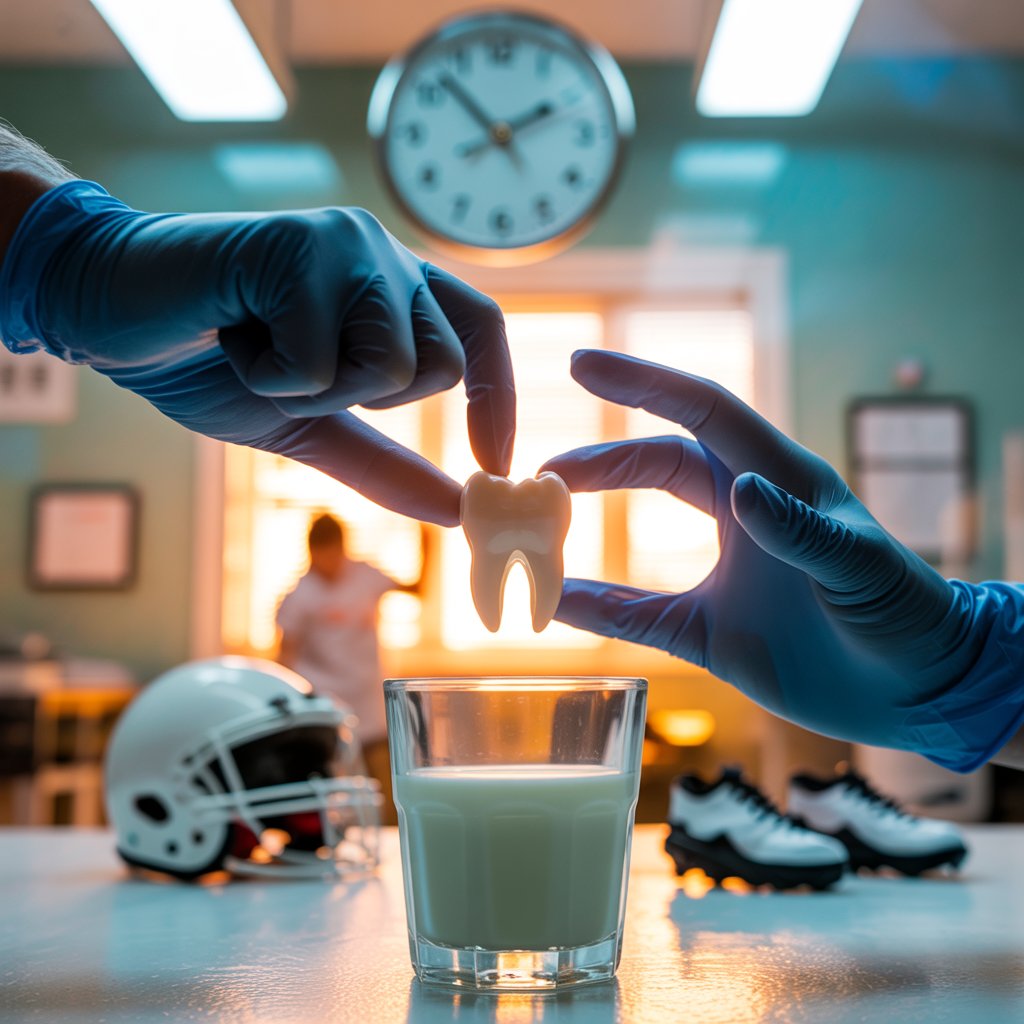
Dental emergencies have a way of disrupting everything at once. A child chips a front tooth at baseball practice. A parent wakes up at 2 a.m. With throbbing pain that makes it impossible to sleep. A grandparent bites down on lunch and suddenly feels a crown come loose. In those moments, families are not looking for a long explanation or a complicated process. They want someone local, skilled, calm, and available.
That is why trust matters so much when people search for an emergency dentist in Plano, TX. They are not simply looking for the first office with an open slot. They are looking for a practice that can make fast decisions, relieve pain, explain options clearly, and treat every member of the family with respect. In an emergency, competence matters, but so does demeanor. The dentist who earns a family’s trust is usually the one who combines both.
Trust starts before the emergency happens
Most families do not think much about urgent dental care until they need it. Yet the practices that earn a strong reputation in Plano usually do so long before a true emergency walks through the door. Trust builds in ordinary moments. It grows when the front desk answers the phone without rushing people off. It grows when appointment times are honored, treatment plans are explained in plain language, and follow-up care does not feel like an afterthought.
When an emergency hits, families remember those details.
A trusted emergency dental office tends to have systems that reduce uncertainty. The team knows how to triage pain over the phone. They can tell the difference between a situation that should be seen immediately and one that can safely wait until the next morning. They know how to guide a parent through simple first steps while the family is driving in. That kind of practical help feels reassuring because it is reassuring.
In Plano, where many households juggle school schedules, work commutes, sports, and caregiving responsibilities, reliability carries real weight. A family that has dealt with a broken filling at dinner or sudden swelling on a Sunday afternoon quickly learns the value of an office that communicates well and does not create more chaos.
Families want judgment, not just availability
Extended hours and same-day appointments matter, but availability alone is not enough. Families trust dentists who show sound judgment under pressure. Emergencies are rarely tidy. Symptoms do not always line up neatly with the cause. A bad toothache may be a cracked molar, an abscess, severe decay, sinus pressure, or a failed restoration. A swollen gumline may need immediate intervention, or it may need temporary management followed by definitive treatment in a day or two.
The difference between a reassuring visit and a frustrating one often comes down to clinical judgment. A strong emergency dentist does not jump to the biggest procedure or the most expensive option. They assess carefully, control pain, take appropriate images, look at bite patterns, account for medical history, and then explain what they see.
That explanation is a major trust builder. Families do not expect a lecture, but they do want clarity. They want to know what the problem is, what needs to happen now, what can wait, and what the trade-offs are. If a tooth might be saved with root canal therapy but has a guarded long-term prognosis because of a deep fracture, they deserve to hear that. If extracting a tooth is faster and less costly up front but may create orthodontic or restorative issues later, they need that context too.
A trustworthy dentist does not hide uncertainty. They name it and help people make a sound decision anyway.
Parents notice how a dental office handles fear
Many dental emergencies involve more than pain. They involve panic. This is especially true when a child is the patient. A small amount of blood in the mouth can look dramatic. A broken front tooth can feel catastrophic to a teenager. A child who has never had serious dental work may become frightened before anyone even reaches the office.
Families pay close attention to how a dental team responds to that fear.
An experienced emergency dentist in Plano, TX understands that anxiety changes behavior. Some children cry. Some go silent. Some adults become apologetic or irritable because they feel embarrassed for waiting too long or unsure about cost. A practice that handles emergencies well does not take any of that personally. The staff stays calm, gives clear instructions, and avoids language that escalates stress.
This is where bedside manner becomes more than a nice extra. It becomes part of treatment. A dentist who takes thirty extra seconds to explain what a child will feel during numbing, or who shows a parent the X-ray and points to the exact area of concern, often changes the tone of the whole visit. The family goes from reactive to informed.
That is a Emergency dentist Plano, TX big reason trust deepens. Patients remember how they were made to feel when they were vulnerable.
Pain relief is important, but so is solving the actual problem
One of the most common frustrations people have with urgent care, in any medical field, is feeling temporarily patched up but not truly helped. Dentistry is no different. A trusted emergency provider addresses immediate pain, but also thinks beyond the next six hours.
Sometimes the right first step is conservative. If there is severe inflammation, it may make sense to stabilize the area, prescribe medication when appropriate, and bring the patient back for definitive treatment once the tissue calms down. In other cases, delaying care only prolongs discomfort and risk. Drainage of an infection, recementing a crown, smoothing a sharp fracture, or starting Emergency dentist Plano, TX root canal treatment may be the best same-day move.
Families tend to trust offices that are honest about this distinction. They appreciate dentists who say, in effect, “Here is what we can do today to get you comfortable, and here is what still needs to happen next.” That avoids the all-too-common misunderstanding where a patient thinks the crisis is over because the pain faded, only to have the problem return a week later.
A practical example helps. Consider a child who chips a permanent front tooth. If the nerve is not exposed and the tooth remains stable, treatment may involve smoothing, bonding, and close follow-up. If the chip extends deeper, the plan can change significantly. The trusted dentist does not treat every fracture the same. They tailor the response to the actual injury.
Local families value speed, but not haste
There is a meaningful difference between moving quickly and rushing. In a genuine emergency, people want to be seen fast. They also want the dentist to take enough time to get it right.
A strong emergency visit often has a distinct rhythm. The team gathers the story efficiently. They ask when the pain started, what makes it worse, whether there is swelling, fever, trauma, sensitivity to temperature, or difficulty biting. They review medications and medical conditions. They obtain the necessary images. Then they pause long enough to put the pieces together before recommending treatment.
That pause matters. It is where haste can become judgment.
Families trust offices that respect urgency without letting it compromise quality. This is especially important in cases involving facial swelling, trauma, or pain that seems out of proportion to what is visible. In those situations, a careful clinician knows when dental care is appropriate in-office and when a patient needs a higher level of medical evaluation.
Trust grows when families sense that the office is not trying to force every problem into a one-size-fits-all solution.
Clear financial conversations reduce stress
Pain is usually the first concern. Cost is often the second. Families in the middle of a dental emergency do not expect every treatment to be inexpensive, but they do expect transparency. A trusted office explains fees, insurance considerations, and likely next steps before treatment moves too far ahead.
This does not mean every figure can be predicted perfectly in the first five minutes. Some emergencies evolve once X-rays and an exam are complete. But experienced teams know how to give realistic ranges, explain what is urgent versus elective, and help people understand which decisions need to be made now.
Families remember this. They remember whether they were pressured. They remember whether alternatives were discussed. They remember whether the office seemed more interested in solving the problem than in upselling an idealized long-term plan while the patient was still in pain.
In practice, trust often looks simple. It looks like a treatment coordinator saying, “Here is the immediate problem, here is the recommended treatment today, and here are the costs tied to that. We can also talk about the larger restorative plan once you are comfortable.” That is a respectful way to handle a difficult moment.
The emergencies families worry about most
Certain issues come up again and again in family dental care. Some are dramatic, others are deceptively easy to ignore until they worsen. An experienced office will usually encourage same-day attention for situations like these:
- Severe tooth pain that does not ease with over-the-counter medication
- Noticeable swelling in the gums, jaw, or face
- A knocked-out or partially displaced permanent tooth
- A broken tooth with sharp edges, bleeding, or exposed inner tissue
- A lost crown or filling when it causes pain or leaves the tooth vulnerable
What matters here is context. A lost filling on a painless back tooth might wait a short time if the area is protected. The same issue on a tooth with active decay and temperature sensitivity can deteriorate quickly. A minor chip on a baby tooth is very different from trauma to an adult front tooth after a fall. Families trust dentists who understand those distinctions and do not overstate or understate the urgency.
Plano families often need care that works for all ages
One reason certain practices earn strong reputations is that they can care for several generations under one roof. Emergencies are not limited to one age group, and families appreciate not having to navigate multiple offices during a stressful event.
Young children present one set of challenges. They may not describe pain accurately. They may resist examination. They may be frightened by numbness or unfamiliar sounds. Teenagers bring different concerns, often tied to sports injuries, orthodontic appliances, or cosmetic worries after an accident. Adults commonly deal with cracked molars, failing dental work, grinding-related fractures, or infections that were easy to postpone until they no longer could be. Older adults may have more complex medical histories, medication interactions, and restorative considerations.
An office that handles this range well tends to inspire confidence. Families know they can call one place and get useful direction, whether the issue is a preschooler with a swollen gum, a high school athlete with a chipped incisor, or a parent whose old crown failed before an important work trip.
That kind of continuity matters more than people realize. It reduces friction. It also improves care, because the team often already knows the family’s dental history, past treatment patterns, and comfort levels.
Good emergency care includes follow-through
The first visit is only part of the story. Families often decide whether they truly trust a dental office based on what happens after the urgent appointment.
Does the office check in the next day when the case was significant? Do they make sure pain is improving? Do they help the patient schedule the next phase of treatment before the emergency fix fails? Do they explain home care in a way that is specific and usable?
These details separate transactional care from dependable care.
A patient who has an abscessed tooth managed on a Friday afternoon may need endodontic treatment or extraction shortly afterward. A child who has a tooth re-bonded after trauma may need pulp testing and monitoring over time. A patient whose cracked molar was stabilized may still need a crown once the immediate risk passes. Families trust offices that do not treat emergency work like a loose end.
In practical terms, follow-through often means documenting clearly, setting expectations, and making it easy for the patient to return. It means the dentist understands that relief today is only valuable if it leads to a stable outcome tomorrow.
Communication matters as much as clinical skill
Every healthcare field says communication is important, but in emergency dentistry it is genuinely central. A patient in pain does not absorb information the same way they do during a routine checkup. Their attention narrows. Their stress rises. Their family may be trying to make decisions quickly while arranging school pickup or calling insurance.
Trusted dentists know this, so they simplify without oversimplifying. They avoid jargon unless they immediately translate it. They explain treatment in short, direct terms. They repeat the most important points. They make room for questions.
This applies on the phone, at the front desk, during the exam, and after treatment. A family might forgive a packed schedule or a brief wait if they feel informed at each stage. They are much less forgiving of silence or vagueness.
One of the clearest markers of trust is whether patients feel comfortable calling back if symptoms change. If an office has communicated well, families usually do. If not, they may delay until the problem grows more serious.
A calm office environment changes the experience
People often underestimate how much environment shapes trust. Lighting, noise, pacing, privacy, and the tone of staff interactions all influence whether a family feels safe.
An emergency dental visit is rarely anyone’s idea of a good day. Yet a well-run office can lower the emotional temperature considerably. When the receptionist sounds composed, when the assistant explains what will happen next, when instruments are not clattering and people are not talking over each other, patients notice.
This is particularly important for children and for adults with prior dental anxiety. It is also important when the emergency has a visible cosmetic component, such as a broken front tooth. People can feel exposed in those moments. A dentist who is tactful and steady protects more than oral health. They protect dignity.
That emotional intelligence is one reason families recommend certain offices to friends and neighbors. They do not just say the dentist fixed the problem. They say the team handled a hard situation well.
What experienced families keep in mind before they call
Over time, many families learn that a little preparation makes emergencies easier to manage. They do not need a perfect plan, just a few practical habits. These tend to help:
- Keep the dental office number saved in both parents’ phones
- Know basic medical history, allergies, and current medications for each family member
- Store a small container and clean gauze at home for handling a dislodged tooth or restoration
- Use a mouthguard for contact sports and high-impact activities when appropriate
- Do not ignore minor pain that keeps returning, because it often stops being minor
The last point deserves emphasis. Many true emergencies start as manageable problems. A filling feels loose but still functional. A cracked tooth only hurts when chewing on one side. A gumline gets tender for a few days, then calms down. Families that trust their dentist tend to call earlier, which often leads to simpler treatment and less suffering.
Why local reputation carries so much weight
Plano families talk. They talk in school pickup lines, neighborhood groups, sports sidelines, community forums, and family group texts. Healthcare recommendations spread quickly, especially when they involve children or urgent situations. That local reputation is not built through advertising copy alone. It is built case by case.
One family remembers that the office stayed late to see their son after a bike accident. Another remembers being talked through a painful cracked tooth on a holiday weekend. Another remembers that the dentist gave a realistic opinion instead of pushing a complex treatment they did not need immediately.
Those stories travel because they feel earned.
When people search for an emergency dentist in Plano, TX, they are often trying to reduce risk. They want the reassurance that comes from hearing, “We went there when it was bad, and they took good care of us.” Local trust is powerful because it usually reflects real experiences under pressure, not ideal conditions.
The real reason trust matters in a dental emergency
At its core, trust shortens the distance between fear and action. A family that knows who to call is less likely to wait too long. A child who recognizes the office may calm down faster. A parent who believes the dentist will explain options honestly can make decisions more confidently. Better communication leads to quicker care, and quicker care often leads to better outcomes.
That is the practical side of trust. The human side is just as important. Dental emergencies leave people feeling off balance. Pain disrupts sleep, concentration, appetite, work, school, and mood. Visible dental injuries can affect confidence immediately. A trustworthy dentist restores more than function. They restore a sense of control.
That is why families are loyal to offices that handle emergencies well. They remember who answered. They remember who made room on a full schedule. They remember who treated the problem seriously without making the situation feel hopeless.
For families in Plano, that combination of skill, responsiveness, honesty, and calm is what turns a dental office into the place they trust when something goes wrong.
Vitality Dental
1220 Coit Rd # 106, Plano, TX 75075, United States
+1 972-645-4100
FAQ About Emergency dentist Plano, TX
Will the ER do anything for dental pain?
An emergency department can assess urgent symptoms and provide medical stabilization. Definitive treatment of the tooth usually requires a dentist. Seek emergency medical care for breathing or swallowing difficulty, uncontrolled bleeding, or serious facial injury.
What to do if I have a dental emergency in the middle of the night?
Contact a dentist or after-hours dental service promptly for guidance. If a permanent tooth is knocked out, keep it moist in milk while seeking immediate care. If symptoms suggest a medical emergency, go to an emergency department.
What qualifies as a dental emergency?
A knocked-out permanent tooth, severe or persistent tooth pain, a significant dental injury, or swelling may require urgent dental assessment. Call a dentist to describe the symptoms and determine timing. Uncontrolled bleeding or difficulty breathing or swallowing requires emergency medical care.