Emergency Dentist Help for Broken Braces and Orthodontic Injuries
@damienjnqi753
November 23, 2026 · 16 min read
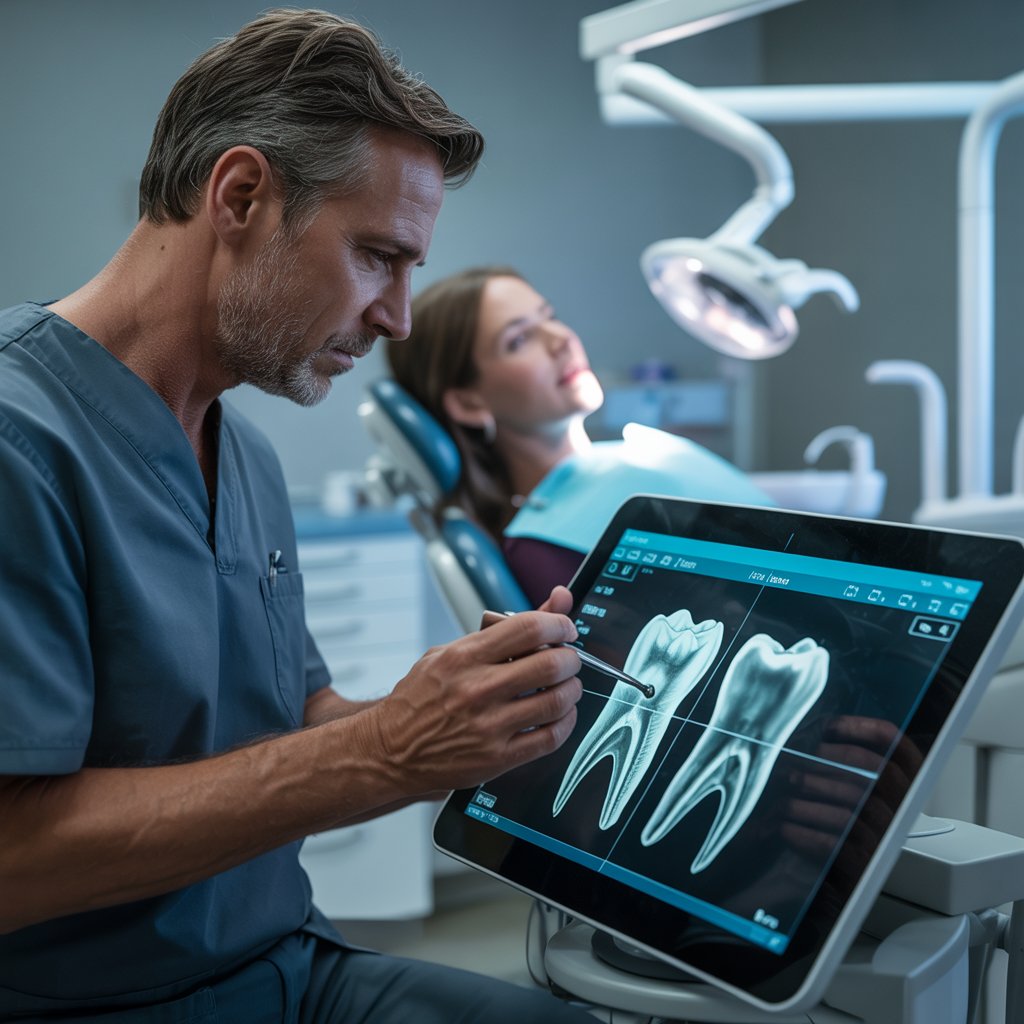
Braces are built to handle months or years of steady pressure, not the sudden force of a hit to the mouth, a hard bite into a crusty bagel, or the slow wear that turns a secure wire into a sharp hazard overnight. When something breaks, it rarely happens at a convenient time. It happens at dinner, during practice, on a weekend trip, or ten minutes before bed. The first question is usually simple and urgent: is this something that can wait for the orthodontist, or do I need an Emergency Dentist right now?
That distinction matters more than people think. Some orthodontic problems are uncomfortable but manageable for a day or two. Others cross into true dental trauma, where delaying care can lead to infection, deeper tissue injury, a damaged tooth root, or an airway concern. In practice, the challenge is not just fixing bent brackets or poking wires. It is deciding, quickly and calmly, what kind of help is needed and how to protect the teeth, cheeks, lips, and gums until you get it.
Emergency DentistWhen broken braces become a dental emergency
A loose bracket by itself is usually not a crisis. It is annoying, it can rub the cheek, and it may delay treatment if ignored, but it does not usually demand middle of the night care. The same goes for a ligature that comes off or a retainer that no longer fits perfectly. Orthodontic appliances fail in small ways all the time.
What turns a nuisance into an emergency is injury, uncontrolled pain, swelling, bleeding that does not stop, or a piece of the appliance creating an immediate risk. A wire can cut deep into the cheek or gum. A bracket can come loose during a fall that also chips a tooth. A blow to the mouth can move teeth out of position, split the lip, or loosen the jaw even if the braces themselves seem to be the obvious problem.
An Emergency Dentist is trained to sort through those layers. That matters because orthodontic hardware can distract from a more serious issue underneath. I have seen patients focus entirely on a bent archwire while an incisor had actually been pushed inward after a sports injury. I have also seen a teenager arrive worried about a bracket only to have a lip laceration that needed careful cleaning and closure. The appliance is part of the picture, not always the whole story.
The most common brace and orthodontic injuries
Orthodontic injuries tend to fall into a few familiar patterns. A wire shifts and starts jabbing the inside of the cheek. A bracket breaks free from the tooth but stays attached to the wire, sliding back and forth. A rubber tie snaps, allowing the wire to move more than it should. After a direct hit, the braces may be bent, teeth may feel loose, and biting down feels wrong.
Clear aligner patients have their own version of emergencies. A cracked aligner edge can cut the gumline. An attachment can shear off. A patient can force a tray over a tooth that has shifted unexpectedly, then develop pain that is more than simple pressure. Palatal expanders, space maintainers, and fixed retainers can also fail in ways that injure soft tissue or trap food against inflamed gums.
One of the more overlooked scenarios is swallowing or inhaling a small orthodontic part. Most swallowed brackets or elastic modules pass through the digestive tract without incident, but inhalation is different. If there is coughing, wheezing, trouble breathing, or the sense that something went down the airway, that is an emergency. It stops being an orthodontic issue and becomes a medical one immediately.
What an Emergency Dentist can handle, and what still belongs with the orthodontist
There is some understandable confusion here. Orthodontists specialize in moving teeth over time. Emergency dentists specialize in urgent diagnosis and immediate stabilization. Those roles overlap, but they are not identical.
An Emergency Dentist can evaluate trauma, take dental X rays when needed, check whether a tooth has fractured or been displaced, assess the gums and lips, stop bleeding, reduce pain, smooth or clip a dangerous wire when appropriate, and protect exposed areas. If a bracket or wire is causing active injury, the immediate goal is to make the mouth safe and comfortable.
The orthodontist still plays a key role in definitive appliance repair. Even if emergency care removes the urgent problem, the braces may need reactivation, rebonding, or a new wire later. That is not a limitation, it is the correct sequence. In urgent dentistry, stabilization comes first. Fine adjustment of tooth movement comes second.
This is especially important after trauma. If a tooth has been cracked, loosened, or intruded into the gum, the priority is preserving the tooth and surrounding bone. Orthodontic mechanics may need to pause. In some cases, the orthodontist and emergency dentist coordinate timing so that treatment can resume safely after the tissue recovers.
What to do in the first hour
People often make the situation worse by trying to perform a full repair at home. A little first aid is helpful. Improvising with force and household tools is not.
Here is the practical short version of what helps before you are seen:
- Rinse gently with warm salt water if there is blood, irritation, or food trapped around the appliance.
- Use orthodontic wax over a sharp bracket or wire if you have it. If not, sugar free gum can work briefly in a pinch.
- If a wire is protruding, try to nudge it back only if it moves easily with a clean cotton swab or the eraser end of a pencil.
- Apply a cold compress on the outside of the mouth after a hit or if swelling starts.
- Save any broken pieces you can find, and bring them to the appointment.
That list covers immediate comfort and basic protection. It does not replace an exam. If pain is escalating, the bite feels suddenly off, a tooth looks shorter or longer than before, or the lip is torn deeply, the safest move is urgent professional care.
Red flags that should not wait
Some patients wait because they assume discomfort is normal with braces. Mild soreness after an adjustment is normal. Acute pain after breakage or trauma is not normal in the same way, and context matters.
A mouth injury deserves same day attention when the symptoms suggest more than a hardware issue. These situations warrant prompt evaluation by an Emergency Dentist, and sometimes the emergency room if breathing or major facial injury is involved:
- A tooth is loose, displaced, cracked, or darkening after impact
- Bleeding continues after 10 to 15 minutes of firm pressure
- Swelling is increasing, especially if it affects swallowing or breathing
- A wire or appliance is embedded in soft tissue and will not release easily
- There is jaw pain, limited opening, or a bite that suddenly feels misaligned
Those five red flags are common in real emergency triage. They are also easy for nonprofessionals to underestimate. A patient can still talk, still drive, and still have a significant injury that benefits from rapid treatment.
The injuries that look small but deserve respect
Some orthodontic emergencies seem minor on the surface and can still become troublesome if neglected. A small puncture from a wire can turn into an ulcer that makes eating miserable for several days. A broken bracket can trap plaque in a way that inflames the gum around the tooth. A retainer wire detached behind the lower front teeth can act like a hook, catching food and tearing the tongue repeatedly.
There is also the issue of force distribution. Braces work because force is controlled and intentional. Once an appliance breaks, pressure may shift to the wrong tooth or the wrong angle. Over a short period that may simply cause soreness. Over longer periods, it can create unwanted tooth movement, rotational relapse, or bite changes that are frustrating to unwind later.
Children and teens are especially likely to minimize these problems because they are used to braces feeling awkward. Adults do the opposite sometimes. They panic over a loose bracket that is uncomfortable but not dangerous. Experience helps separate those reactions from the facts. The key questions are whether tissue is being injured, whether trauma to the teeth occurred, and whether anything about breathing, swallowing, bleeding, or tooth position has changed.
Sports injuries, falls, and the braces factor
Orthodontic trauma often begins outside the dental office. It starts on a basketball court, a soccer field, a bike path, or a set of stairs. Braces add complexity because they increase the chance of lip and cheek lacerations during impact. The metal does not cause the accident, but it can magnify the soft tissue damage.
A custom mouthguard is one of the simplest ways to reduce that risk. For patients in active orthodontic treatment, a standard boil and bite guard may not fit well as the teeth move, and some are so tight they become uncomfortable quickly. Orthodontic mouthguards are designed with extra room to accommodate brackets and ongoing tooth movement. They are not glamorous, but they prevent a remarkable amount of trouble.
When a player with braces takes a hit to the mouth, the external swelling can hide what is happening inside. The lip may be cut and puffy, while one front tooth has become mobile or subtly intruded. That is why post injury dental evaluation matters even when the person feels mostly fine after the initial shock. Adrenaline is a poor diagnostic tool.
How emergency care is usually handled in the chair
Patients often imagine emergency treatment for broken braces as a complete repair session. In reality, urgent care is usually more targeted. The appointment is designed to answer three questions. Is there damage to the teeth or supporting structures? Is there a risk of ongoing injury or infection? What is the safest way to stabilize things today?
The dentist begins with the story of what happened, because mechanism matters. Biting into a hard candy produces a different injury pattern than catching an elbow during a game. Then comes the exam, often including soft tissue inspection, mobility testing of the involved teeth, checking the bite, and imaging if trauma is suspected.
If the main issue is a sharp wire, the fix may be simple and immediate. The wire can sometimes be trimmed, tucked, or covered. If a bracket is loose and swinging, it may be removed if keeping it in place poses more harm than benefit. If a tooth is fractured, the treatment may include smoothing the edge, placing a temporary protective material, or planning a more formal restoration once the orthodontic team weighs in. If the tooth has been displaced, repositioning and splinting may be necessary, and timing becomes critical.
Pain control is part of emergency care too. Soft tissue injuries can be intensely uncomfortable even when the teeth are stable. Good emergency management reduces pain, protects wounds from repeat trauma, and gives the patient realistic instructions for the next 24 to 72 hours.
Home fixes that help, and home fixes that backfire
Some home care measures are sensible. Orthodontic wax is useful. Warm salt water rinses can soothe inflamed tissues. Soft foods reduce further irritation. Over the counter pain medication may help, depending on the patient’s age, health, and any medical advice they have been given.
Problems arise when people try to finish the job themselves. Cutting a wire with craft pliers sounds practical until the clipped segment disappears into the mouth. Pulling off a bracket can strip more adhesive, injure the enamel surface, or bend the wire in a way that causes worse pressure elsewhere. Superglue belongs nowhere near braces or oral tissues. I wish that sentence were unnecessary, but it is not.
The same caution applies to aligners and removable appliances. Trimming cracked plastic with scissors often leaves a jagged edge that cuts more sharply than before. Heating a tray to reshape it can warp the fit and create unintended pressure on individual teeth. Temporary comfort is useful. Amateur repair is usually not.
Timing matters more than perfection
One of the most reassuring things to tell patients is that not every break has to be perfectly repaired immediately. What matters is protecting health and preventing the problem from snowballing. If a bracket is loose on Friday night and not injuring anything, most orthodontists would rather see the patient Monday than have someone aggressively manipulate it over the weekend. If a wire is slicing the cheek or a tooth was hit hard, waiting is a different calculation.
This is where access to an Emergency Dentist is valuable. You do not need to guess alone whether a situation crosses the line. A phone call with a clear description, and ideally a few well lit photos, often helps the office guide the next step. In many cases, triage starts before you ever sit in the chair.
The details help. Mention whether there was trauma, whether the tooth feels loose, whether the patient can bite normally, whether swelling is increasing, and whether the issue is pain from pressure or pain from a cut. Those distinctions change urgency.
Special situations in children, teens, and adults
Children may struggle to describe what they feel. They may say a tooth hurts when the real issue is a lip trapped against a bent bracket. They may also hide a sports injury until the swelling makes it obvious. Parents should pay attention to behavior as much as words. Refusing to bite, drooling, touching the face repeatedly, or sudden irritability around meals can signal a meaningful problem.
Teenagers in braces are the classic orthodontic emergency group simply because they are active, busy, and often not especially cautious about what they eat. Popcorn kernels, ice chewing, hard pizza crust, and contact sports account for a lot of weekend calls. The good news is that most of these incidents are fixable without lasting harm if addressed promptly.
Adults bring a different set of issues. They may have crowns, veneers, gum recession, or previous dental work that complicates trauma management. A blow to a bracketed tooth with an old root canal, for example, is not the same as a blow to a healthy adolescent tooth. Adults also tend to delay care because of work schedules, which can be a mistake when symptoms suggest true injury.
Eating, cleaning, and sleeping after an orthodontic injury
The first day after an incident should be gentle. Soft foods make sense, not because they are trendy but because they reduce accidental pressure and let sore tissues settle. Yogurt, eggs, soups that are warm rather than hot, oatmeal, pasta, smoothies taken carefully, and softer cooked vegetables are all reasonable choices. Crunchy foods and chewy breads can wait.
Oral hygiene matters even more after an injury. Plaque around a broken bracket or swollen gumline increases irritation quickly. The trick is to clean thoroughly without being rough. A soft toothbrush, warm water rinses, and deliberate cleaning around the appliance help. If the area bleeds a little during brushing, that is not unusual. What matters is whether the bleeding stops and whether the tissue looks cleaner and calmer over time.
Sleep can be surprisingly difficult after a lip or cheek injury because the mouth dries out and small movements feel bigger at night. Orthodontic wax, hydration, and a cool room can make a noticeable difference. Some patients are more comfortable sleeping slightly elevated after facial swelling begins.
The cost of waiting too long
Not every delay causes harm, but enough do that it is worth being direct. A sharp wire can turn a one day irritation into a large ulcer. A fractured tooth can become temperature sensitive or expose deeper layers if left unprotected. A tooth that has been luxated, meaning loosened or displaced by trauma, has a better outlook when it is assessed and managed early. Soft tissue wounds are easier to clean and close properly before contamination and swelling increase.
There is also the emotional cost. Orthodontic emergencies create a lot of anxiety because they affect appearance, speech, comfort, and routine all at once. A patient with a visible broken appliance may stop smiling, avoid social plans, and worry all weekend over something that could have been stabilized in one urgent visit. Reassurance is part of treatment, but reassurance works best when it is backed by a real exam.
Preventing the next emergency
Most brace and orthodontic injuries are not random bad luck. Many are preventable. Careful food choices matter. So does wearing a proper mouthguard in sports. Following instructions after an adjustment helps too, especially during the first couple of days when patients are most tempted to test what they can chew.
The habits that prevent trouble are not dramatic. They are consistent. Skip the ice chewing. Cut firm foods into smaller pieces. Keep orthodontic wax available at home and in a school or sports bag. Replace aligners or retainers as directed. Do not use teeth as tools to open packages. These are ordinary precautions, but they spare a lot of emergency appointments.
The other preventive step is knowing whom to call. Patients do better when they already have the office number saved, understand after hours instructions, and know the difference between contacting the orthodontist and seeking an Emergency Dentist. In a stressful moment, familiarity speeds up good decisions.
Broken braces are rarely convenient, and orthodontic injuries can be unnerving. Most are treatable, many are minor, and a smaller number need urgent, skilled attention to protect the teeth and soft tissues properly. The important part is not pretending every bent wire is a disaster, or every injury can wait. It is recognizing when the mouth needs prompt evaluation, then getting the right care without delay.
Vitality Dental
1220 Coit Rd # 106, Plano, TX 75075, United States
+1 972-645-4100
FAQ About Emergency Dentist
What counts as a dental emergency?
A knocked-out tooth, significant mouth injury, severe tooth pain, or painful swelling warrants prompt evaluation. Call your dentist and describe your symptoms so the office can advise you on how urgently you need care.
What should I do if I knock out a permanent tooth?
Call a dentist immediately. Handle the tooth by the crown, avoid touching the root, and keep it moist. If you cannot put it back into the socket easily, transport it in milk or a tooth-preservation solution. Bring it with you to the appointment.
Should I go to the emergency room for a dental emergency?
Seek emergency medical care right away if you have trouble breathing or swallowing, uncontrolled bleeding, or a serious facial injury. For an isolated tooth injury or toothache without those symptoms, call a dentist promptly for guidance.