Emergency Dentist Advice for Severe Pain While Waiting for Treatment
@damienjnqi753
November 23, 2026 · 15 min read
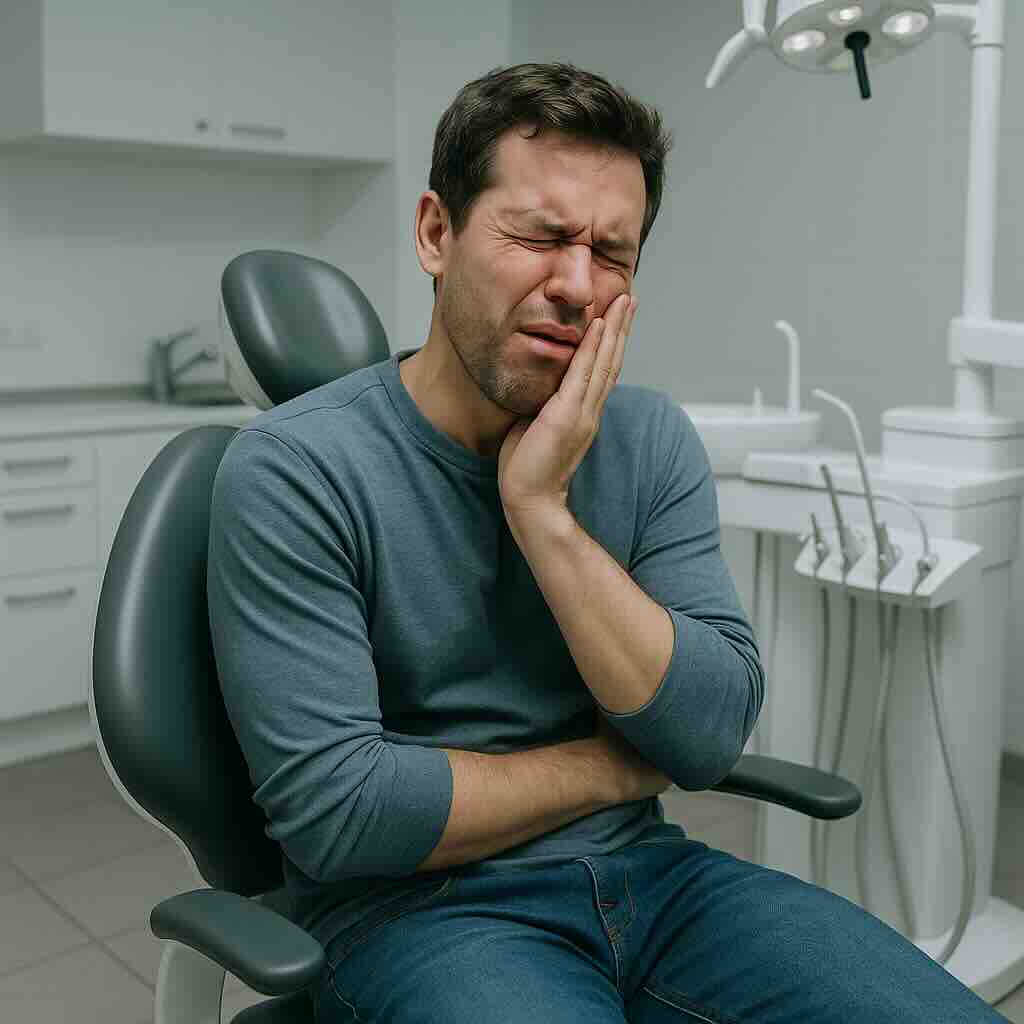
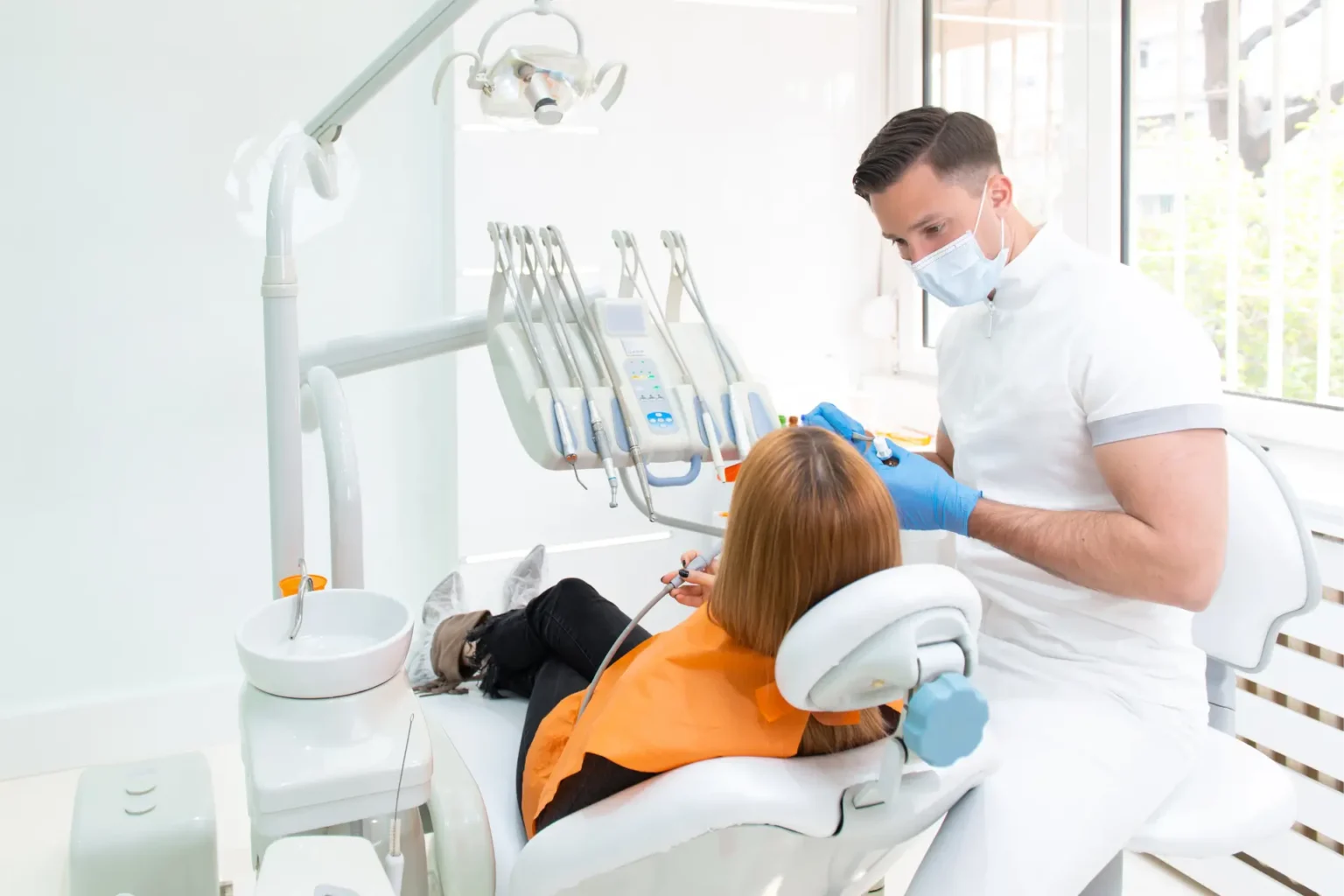
Severe dental pain has a way Emergency Dentist of taking over everything. It makes eating difficult, sleep shallow, work nearly impossible, and even simple conversation irritating. Patients often describe it as one of the most distracting forms of pain because it is constant, close to the head, and hard to ignore. When you are waiting to be seen by an Emergency Dentist, the goal is not to improvise a cure at home. The goal is to stay safe, reduce pain as much as possible, avoid making the problem worse, and recognize when the situation is becoming urgent enough to need immediate medical attention.
That distinction matters. A painful tooth can come from decay reaching the nerve, a cracked tooth, an abscess, gum infection, a failed filling, a lost crown exposing sensitive dentin, or pressure from an erupting wisdom tooth. Those problems do not all behave the same way, and what helps one may aggravate another. Good advice starts with that reality: while home measures can help you get through the wait, they are a bridge, not treatment.
What severe tooth pain usually means
When pain is sharp, throbbing, or wakes you at night, the inner structures of the tooth are often involved. The nerve inside a tooth sits in a rigid space. When inflammation builds there, pressure rises, and the pain can become intense. That is why people often feel better briefly with cold water or worse when lying down. The physics of pressure inside the tooth can change the sensation dramatically.
Not all dental pain points to the same source. A cracked tooth may hurt most when biting and then releasing pressure. An abscess may create throbbing pain with swelling and a bad taste if drainage begins. Exposed root surfaces from gum recession can sting with cold but may not produce constant pain. A sinus issue can mimic upper tooth pain, and jaw muscle tension can make several teeth feel sore at once. This is one reason a proper exam matters, even when the patient is convinced a single tooth is to blame.
An experienced Emergency Dentist will usually ask a few specific questions before you arrive: when the pain started, whether heat or cold changes it, whether it hurts to bite, whether there is swelling, fever, trauma, or trouble opening the mouth. Those answers help sort an inflamed nerve from an infection, or a crack from gum disease. While you wait, paying attention to those details can help you describe the problem clearly and get more efficient care.
The first few hours matter
If pain surges suddenly, the first response should be practical and calm. Rinse your mouth gently with warm water to clear debris. If food is trapped between teeth, use floss carefully. I have seen patients go from miserable to comfortable because a popcorn hull or meat fiber was pressing into swollen gums. That said, if flossing causes sharp pain around a broken tooth or loose restoration, do not force it.
Cold can help if there is swelling, especially after trauma or around the jaw. Use a cold pack wrapped in cloth on the outside of the cheek for short intervals. Heat on a swollen face is a common mistake. It can feel soothing for a moment, but with infection it may increase blood flow and worsen throbbing. Save warmth for a gentle mouth rinse if it feels comforting, not for compressing the face.
Keep the mouth as undisturbed as possible. Chew on the opposite side, avoid very hot or very cold foods if they trigger pain, and skip hard foods altogether. Nuts, crusty bread, ice, and chewy candy are frequent culprits in turning a bad tooth into a fractured one.
Pain relief while waiting for treatment
Pain medicine can help significantly, but it is worth being precise here. Many adults get better relief from anti-inflammatory medication than from medicine aimed only at dulling pain, because much dental pain is driven by inflammation. If you normally tolerate over the counter pain relievers and have no medical reason to avoid them, taking them according to the label can be effective. The important caveat is the one many people ignore: medical history matters. Stomach ulcers, kidney disease, blood thinner use, liver disease, pregnancy, uncontrolled high blood pressure, and medication interactions can change what is safe.
If you have ever been told by a doctor not to take a certain pain reliever, that instruction still applies during a dental emergency. Doubling doses because the pain feels extreme is risky and common. It does not reliably produce better relief, and it does increase the chance of side effects. I have heard more than one patient say they rotated several products without checking ingredients, only to realize later they had taken duplicate medications under different brand names.
Position also matters more than many expect. Lying completely flat can worsen pulsing pain because blood pressure in the head changes and inflammation feels more intense. Resting with your head slightly elevated often helps at night. It is not dramatic, but for someone who has slept two hours in the past night, small improvements count.
Topical numbing gels have limited value for deep tooth pain. They may ease irritation on the gum surface, especially around a sore ulcer or a denture rub spot, but they do not penetrate to an inflamed nerve inside the tooth. Some can also irritate tissues if overused. They are best treated as minor adjuncts, not real solutions.
What not to do, even if someone swears by it
Home remedies circulate quickly, especially when someone is desperate and searching late at night. A few are merely unhelpful. Others are genuinely harmful.
- Do not place aspirin on the tooth or gum. It does not numb the nerve, and it can chemically burn the soft tissue.
- Do not use clove oil in large amounts or hold it against the gum for long periods. A tiny amount may briefly distract from pain, but overuse can irritate or burn tissue.
- Do not apply heat to facial swelling. Cold is the safer choice while you wait.
- Do not superglue a crown, filling, or broken tooth piece back into place. Household adhesives are not made for oral tissues.
- Do not ignore swelling because the pain suddenly improved. A draining abscess can reduce pressure while the infection is still progressing.
That last point surprises people. Sometimes the worst throbbing fades because the pressure found a path out. Patients assume the danger passed, when in fact the infection may have simply changed direction.
When severe pain becomes a medical emergency
Most dental pain is urgent rather than life threatening, but there are exceptions. An oral infection can spread into deeper spaces of the face and neck. Breathing and swallowing are the issues that matter most, not just the pain score.
Seek immediate medical care, not just the next dental appointment, if you notice any of the following:
- Rapidly increasing facial swelling, especially if it extends toward the eye, jawline, or neck
- Fever, shaking chills, or feeling faint and unwell along with tooth pain
- Trouble swallowing saliva, drooling, or a muffled voice
- Difficulty breathing or a feeling of tightness under the tongue or in the throat
- Inability to open the mouth normally after swelling or infection develops
Those are red flags. If they appear, waiting for a routine dental slot is not the safe choice. A hospital or urgent medical assessment may be appropriate, especially if the swelling is moving quickly or you feel systemically ill.
If the pain is coming from a broken tooth or lost filling
A broken tooth creates a different kind of challenge. If the fracture exposed the inner layer of the tooth, air, temperature, and pressure can trigger shocking pain. Covering the area temporarily may help. Pharmacies often sell temporary dental repair material for lost fillings or crowns. Used as directed, it can reduce sensitivity and protect the area for a short time. It is not a substitute for treatment, but it can make the wait more tolerable.
If a crown came off, keep it clean and bring it to the appointment. Sometimes it can be recemented if the fit remains good and the underlying tooth is intact. If it will slide back over the tooth easily, do not force it. Pressure in the wrong angle can crack what remains. Many patients make the problem worse by biting down to “seat” a loose crown.
With a visibly cracked or broken tooth, avoid chewing on that side entirely. Even a small additional force can turn a restorable tooth into one that needs extraction. A patient may manage for two days with mild discomfort, then bite into a crust of bread and arrive with the tooth split below the gum line. At that point the treatment options change.
If swelling is present but you feel otherwise well
Localized swelling around a tooth or gum deserves respect even if you do not have fever. It often suggests infection or significant inflammation. Gentle rinsing with warm salt water may soothe the tissues and help keep the area clean, but it does not eliminate an abscess. If anything, salt water is best thought of as housekeeping, not treatment.
Watch the direction of change. Stable soreness that stays in one spot is different from swelling that spreads across the cheek over six hours. If the area becomes tighter, hotter, or more painful, or if you begin feeling ill, reassess quickly. Many dental infections move slowly, but some do not. The timeline matters as much as the symptoms.
Antibiotics also deserve a realistic mention. Patients often assume they are the main fix for every tooth infection. In reality, many dental problems require a procedure, such as draining an abscess, removing the source of infection, performing root canal treatment, or extracting the tooth. Antibiotics may support care in certain cases, especially with spreading infection, swelling, or systemic symptoms, but they do not repair a dead nerve or a cracked tooth. This is one reason symptoms often return once the medication ends if definitive treatment never happened.
Wisdom tooth pain has its own pattern
Partially erupted wisdom teeth often trap food and bacteria under a flap of gum. The area becomes inflamed, difficult to clean, and sometimes foul tasting. Patients may notice pain near the back Emergency Dentist of the jaw, swelling of the gum, bad breath, and tenderness when biting down because the opposing tooth is hitting inflamed tissue.
While waiting to be seen, cleanliness matters more than force. A gentle rinse after meals can reduce debris. Some patients find that carefully irrigating the area with water helps, but it must be done delicately. Aggressive poking with toothpicks or improvised tools can traumatize the tissue and increase the pain. If you cannot open comfortably enough to clean the area, or if swelling starts to affect swallowing, that crosses into a more urgent category.
Trauma changes the advice
If the tooth pain began after a fall, sports injury, or blow to the face, the priorities shift. A tooth can be bruised, loosened, displaced, cracked, or knocked out entirely. Bleeding, bite changes, and lip cuts may be part of the picture. If a permanent tooth has been knocked out, time becomes critical. The best outcomes usually come when the tooth is handled by the crown, not the root, kept moist, and reimplanted quickly by a professional. If immediate dental care is available, go. If not, storing the tooth properly while you travel matters.
Even if the tooth was not knocked out, do not assume a “small chip” is small just because the missing piece is small. The visible damage can underestimate the force transmitted to the root and surrounding bone. Teeth that look only slightly injured sometimes darken or become painful later because the nerve was compromised at the time of impact.
Eating, drinking, and sleeping through the wait
Most people with severe tooth pain learn quickly what not to eat, but a few patterns consistently help. Soft, lukewarm food is usually safest. Think yogurt, scrambled eggs, soup that is warm rather than steaming, oatmeal, pasta, or smoothies that are not ice cold if cold triggers pain. On the other hand, sugary snacks, alcohol, and very acidic drinks often leave the mouth more irritated.
Hydration helps more than people realize. Dry mouth tends to amplify discomfort because saliva protects irritated tissues and helps buffer acids. If the pain is bad enough that you stop eating and drinking normally, fatigue and dehydration can make the whole experience harder to manage.
Night is often the roughest stretch. Pain feels louder when the house is quiet, and there are fewer distractions. Set yourself up before bed rather than reacting at 2 a.m. Keep water nearby, use the pain medication schedule exactly as directed if you are taking one, rest with your head elevated, and avoid falling asleep immediately after a sugary drink or snack. Those details will not erase severe pain, but they can blunt the worst spikes.
Preparing for the appointment with an Emergency Dentist
The visit tends to go more smoothly if you arrive with a clear account of what has happened. Dentists can work faster when the story is precise. Note when the pain started, whether it came on suddenly or built gradually, what triggers it, whether it wakes you at night, and whether you have noticed swelling, fever, a bad taste, or recent dental work on that tooth.
Bring a medication list if you take regular prescriptions. Mention allergies, blood thinners, pregnancy, recent antibiotic use, and any major medical conditions. These details affect treatment choices and prescriptions. If you have the broken piece of a tooth, filling, or crown, bring that too in a clean container.
One pattern I have seen repeatedly is patients minimizing symptoms on the phone because they do not want to seem dramatic. Then they arrive with clear swelling or obvious infection. It is better to be direct. If you are unable to sleep, unable to eat, or feeling pressure spread into the face, say so. Offices triage based on the information they receive.
Why waiting sometimes makes treatment more complicated
People often delay because they hope the pain will settle on its own, and sometimes it does for a few days. That calm period can be misleading. A tooth with an inflamed or dying nerve may stop hurting temporarily as the nerve loses vitality, only to become infected later. A cracked tooth may hurt only with certain bites until the crack deepens. Gum swelling may drain and shrink, then flare again with more intensity.
The practical downside of waiting is not only extra pain. Treatment options can narrow. A small cavity can become a root canal. A restorable fractured tooth can become a nonrestorable one. A localized infection can spread into nearby tissues. Cost and complexity tend to rise in parallel. That is not said to alarm people, only to explain why prompt assessment matters.
The emotional side of dental pain is real
Severe tooth pain often makes people feel panicked, irritable, and ashamed that they are not coping better. There is no virtue in underreacting to this kind of pain. It is intrusive by nature. I have seen calm, practical adults brought to tears by an abscessed molar after one sleepless night. If you are caring for a family member with dental pain, understand that their patience may be short because the pain is relentless and exhausting.
Children and older adults may show the problem differently. A child may stop eating, become clingy, or wake at night rather than clearly say a tooth hurts. An older adult may report ear pain or vague facial discomfort instead of identifying a tooth. People with dementia, developmental disabilities, or communication barriers are at particular risk of having serious oral pain overlooked. In those cases, changes in eating, mood, sleep, or facial swelling become especially important clues.
A few final judgments that help in real life
Dental pain rewards common sense more than folk wisdom. If a measure reduces irritation without risking harm, it may be worth using while you wait. If it sounds aggressive, chemical, or improvised, it usually belongs in the category of things to avoid. Temporary relief should never persuade you that the underlying problem has been handled.
The most useful mindset is simple: protect the area, control inflammation and pain safely, watch for swelling or signs of spreading infection, and keep the appointment with the Emergency Dentist even if the symptoms ease. Teeth rarely send severe pain for trivial reasons. Respecting that signal early is what protects both your comfort and your treatment options.
Vitality Dental
1220 Coit Rd # 106, Plano, TX 75075, United States
+1 972-645-4100
FAQ About Emergency Dentist
What counts as a dental emergency?
A knocked-out tooth, significant mouth injury, severe tooth pain, or painful swelling warrants prompt evaluation. Call your dentist and describe your symptoms so the office can advise you on how urgently you need care.
What should I do if I knock out a permanent tooth?
Call a dentist immediately. Handle the tooth by the crown, avoid touching the root, and keep it moist. If you cannot put it back into the socket easily, transport it in milk or a tooth-preservation solution. Bring it with you to the appointment.
Should I go to the emergency room for a dental emergency?
Seek emergency medical care right away if you have trouble breathing or swallowing, uncontrolled bleeding, or a serious facial injury. For an isolated tooth injury or toothache without those symptoms, call a dentist promptly for guidance.